
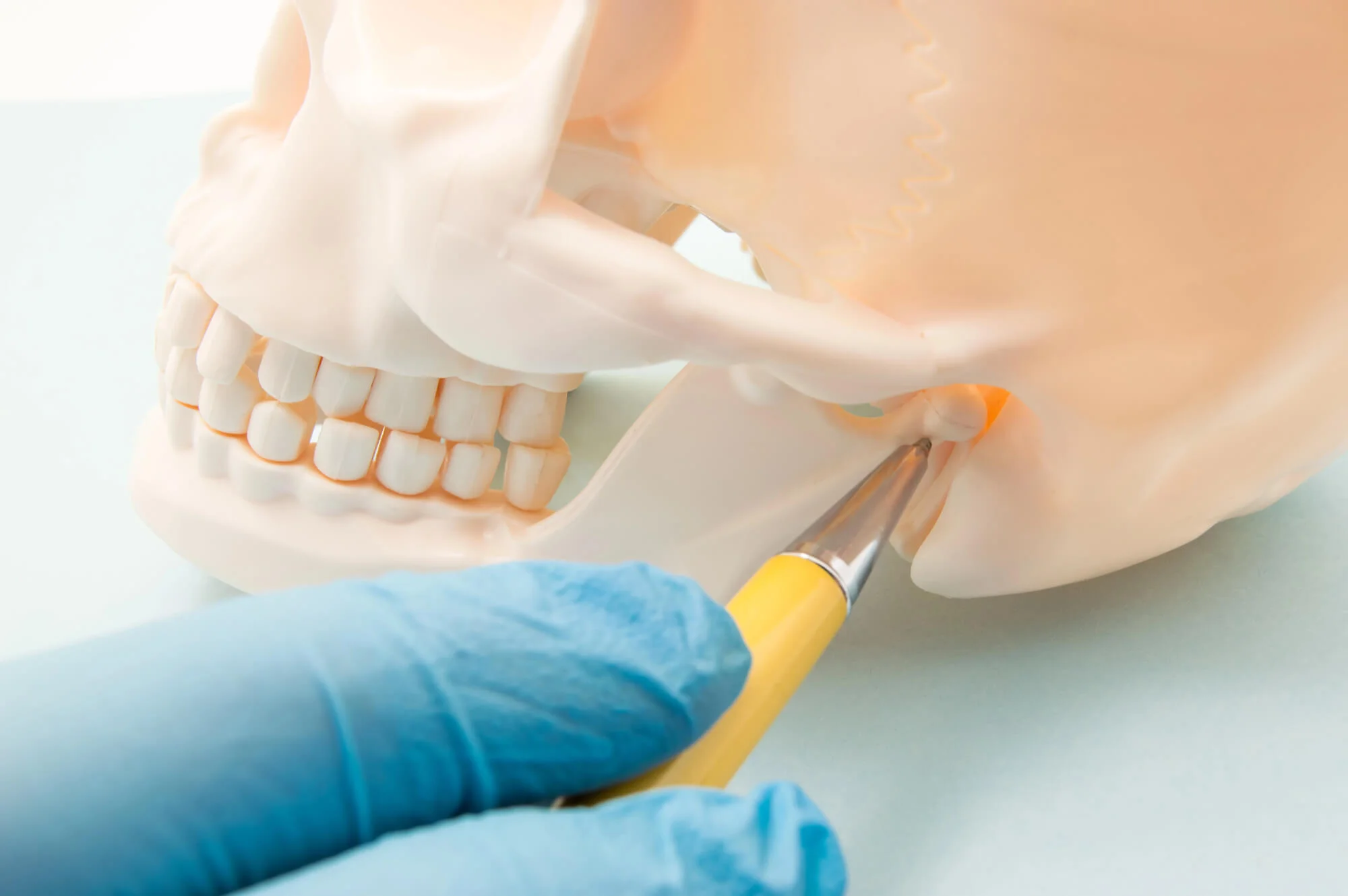
If you’ve been struggling with persistent headaches and can’t figure out the cause, your jaw might be the culprit. TMD, or temporomandibular joint disorder, affects the joint that connects your jaw to your skull.
For many people with TMJ in Whittier, NC, the discomfort manifests not just as jaw pain, but also as daily headaches that interfere with work, rest, and overall quality of life. The good news is that by understanding the link between TMJ and headaches, you can take steps to get relief.

Understanding the TMD-Headache Connection
Your temporomandibular joints work hard every day as you chew, talk, and even yawn. When these joints become strained, the surrounding muscles often tense up in response. That tension can radiate upward, causing pain that feels like a headache.
Common Symptoms of TMD-Related Headaches
TMJ headaches can feel different from typical tension or migraine headaches. Some telltale signs include:
- Pain that starts near the temples or jaw and spreads upward
- A tight, sore feeling around the jaw or ears
- Clicking or popping noises when opening your mouth
- Morning headaches caused by nighttime teeth grinding
Why Jaw Issues Trigger Headaches
The jaw is connected to muscles and nerves that extend throughout the face and head. When these muscles are overworked due to grinding, clenching, or misalignment, the resulting stress often leads to painful headaches. For many patients, discomfort feels constant pressure at the sides of the head or base of the skull.
Everyday Factors That Make TMD Worse
Lifestyle habits and stress can play a major role in how often you feel TMD-related pain. Small changes may make a big difference in your comfort.
Stress and Teeth Clenching
Clenching your teeth when stressed is a common trigger. Over time, it wears down enamel, strains muscles, and intensifies headaches. Learning relaxation techniques or wearing a night guard can help.
Poor Posture and Tech Use
Spending long hours looking down at screens can tighten neck and jaw muscles, increasing your risk of neck and jaw pain. Keeping devices at eye level helps reduce strain.
Diet and Chewing Habits
Hard or chewy foods, such as gum, bagels, or steak, can put stress on the jaw. Choosing softer foods during flare-ups gives your muscles a break and helps prevent headaches.
Practical Relief Tips You Can Try
Here are some easy ways to ease discomfort at home:
- Apply a warm compress to relax jaw muscles
- Practice gentle jaw stretches as recommended by a dentist
- Limit gum chewing or hard foods
- Use a custom night guard if you grind your teeth
- Take short screen breaks to relax neck and shoulder muscles

When to See a Dentist About TMJ in Whittier, NC
If headaches are disrupting your daily life, it’s worth having your jaw evaluated. A dentist can determine if TMJ is the underlying issue and create a personalized treatment plan to address it. Options may include bite adjustments, oral appliances, or therapy designed to relieve tension and restore balance.
Don’t ignore the signs your headaches might not be “just stress.” Relief is possible with the right care and treatment. Contact Cataloochee Dental Group today to schedule a consultation and take the first step toward feeling better.
