
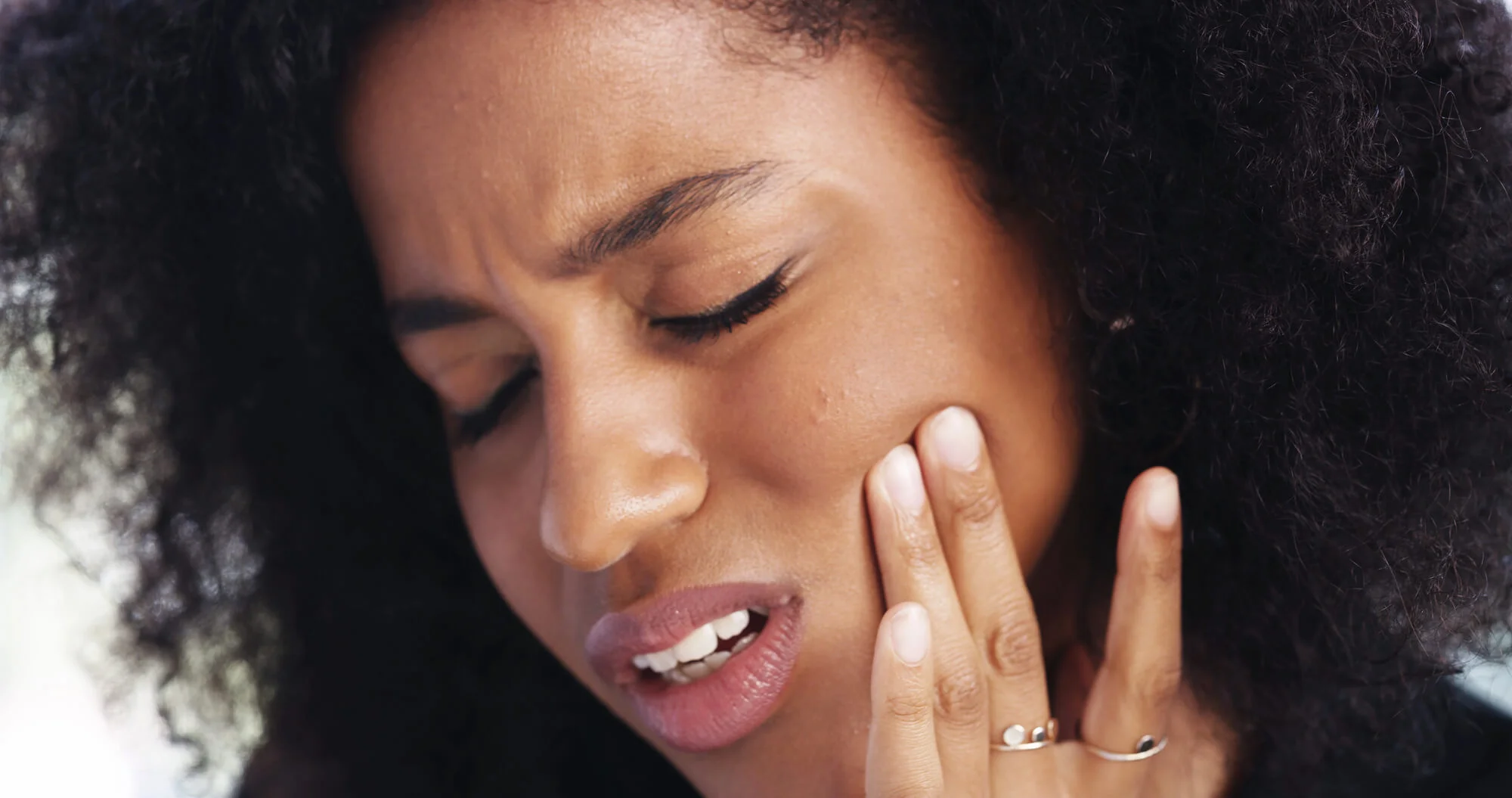
Frequent headaches can make it difficult to enjoy everyday life. Many people assume stress, dehydration, or eye strain is to blame. In some cases, the source of the pain is actually the jaw. If you've been searching for information about TMD in Franklin, understanding how jaw function relates to headaches may help you find lasting relief.
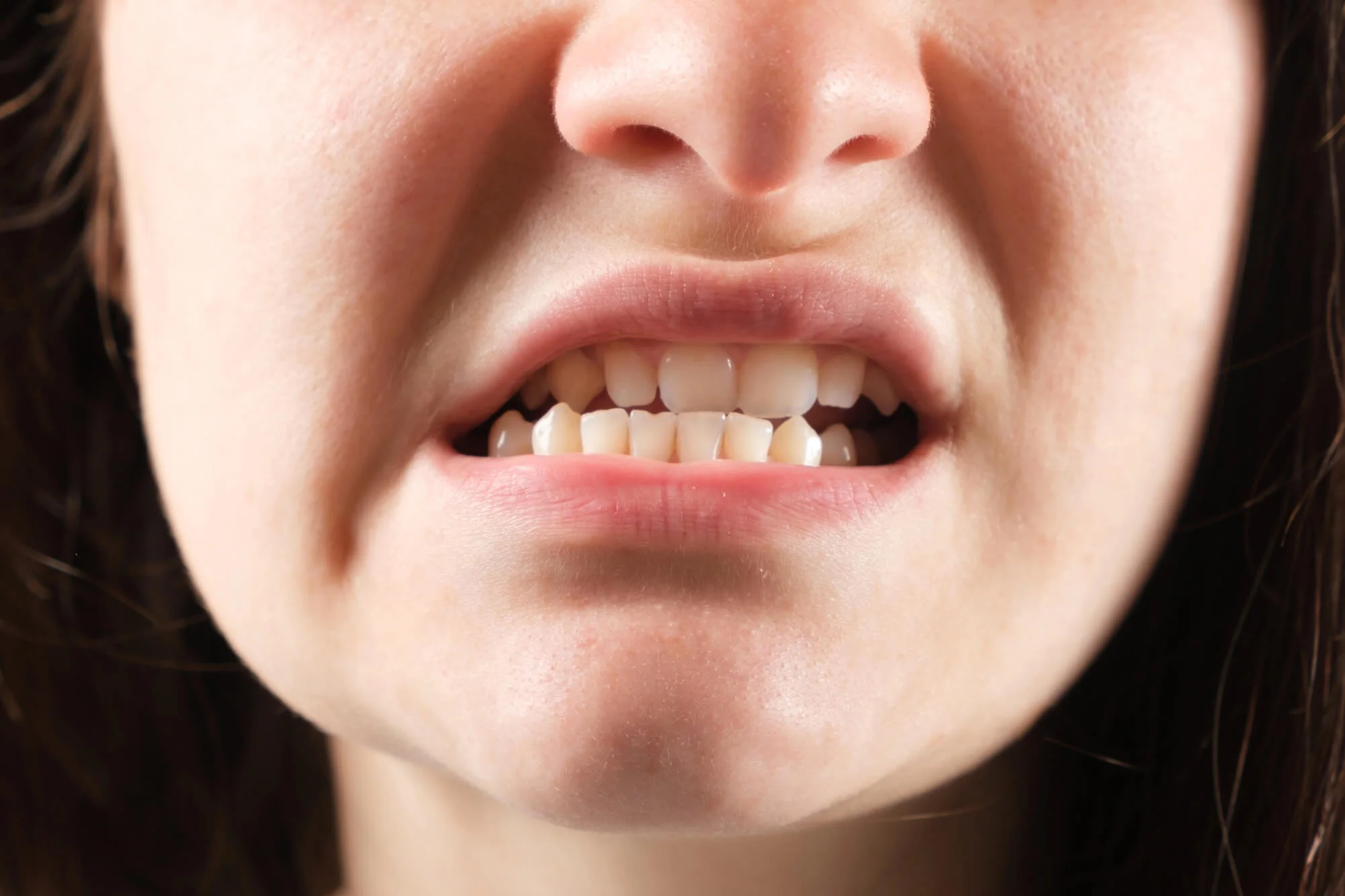
How TMD Can Trigger Headaches
Your Jaw and Head Are Closely Connected
The temporomandibular joints (TMJ) connect your jaw to your skull and help you speak, chew, and yawn. When these joints or the surrounding muscles become irritated, the discomfort often extends beyond the jaw. Tension can spread into the temples, cheeks, neck, and shoulders, creating headaches that may feel similar to tension headaches or even migraines.
Common Signs of TMD
Jaw pain is only one symptom of temporomandibular disorder (TMD). Many people experience additional signs without realizing they're related to the same condition. You may notice:
- Clicking or popping when opening or closing your mouth
- Difficulty chewing certain foods
- Jaw stiffness or locking
- Facial soreness
- Ear pain or ringing without an ear infection
- Frequent headaches, especially in the morning
These symptoms may come and go, making them easy to overlook at first.
What Causes TMD?
Several factors can contribute to TMD. Teeth grinding or clenching, especially during sleep, places extra pressure on the jaw joints and muscles. Stress often increases muscle tension, making symptoms worse. Bite misalignment, jaw injuries, arthritis, or repeated strain from habits like chewing gum can also play a role.
Because every case is different, a thorough evaluation helps determine the most likely cause and the best treatment approach.
When to Seek Professional Care
Occasional jaw soreness may improve with rest, but ongoing pain or recurring headaches deserve attention. A dental evaluation can identify whether your jaw joints are contributing to your discomfort. Early treatment often helps prevent symptoms from worsening and improves comfort during everyday activities.
Many treatment options are conservative and designed to reduce stress on the jaw. Depending on your needs, your dentist may recommend a custom oral appliance, bite adjustments, lifestyle modifications, or exercises that support healthier jaw movement. Simple recommendations for improving posture or reducing teeth grinding may also help minimize discomfort and protect your jaw over time.
Simple Habits That May Help
While professional care is important, small changes at home can also reduce jaw strain. Try eating softer foods during painful flare-ups, avoid excessive gum chewing, practice relaxation techniques, and pay attention to whether you're clenching your teeth throughout the day. Applying a warm compress to sore jaw muscles may also provide temporary relief.
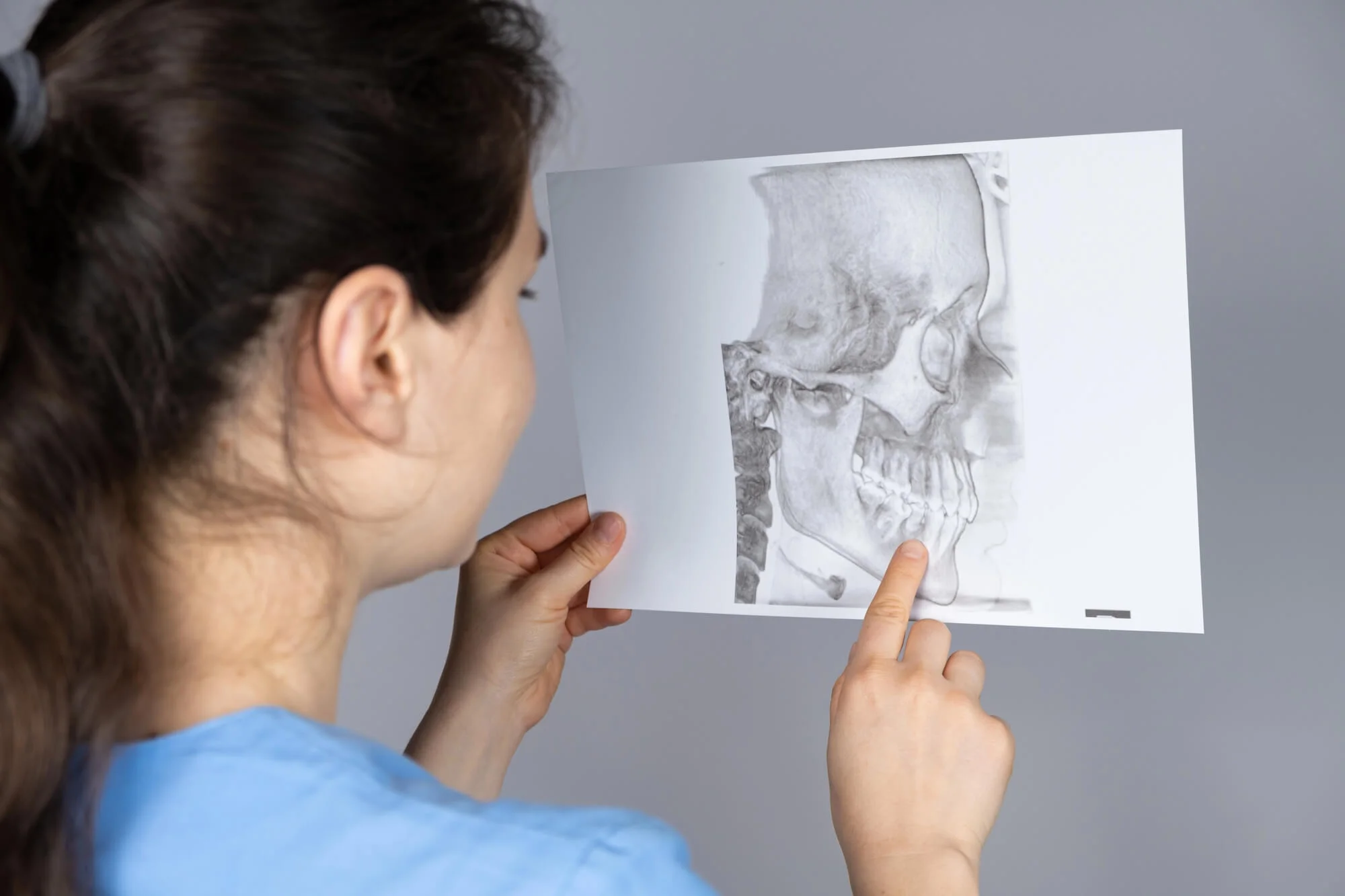
Find Relief from TMD in Franklin
Living with headaches doesn't have to become your norm. If jaw pain, clicking, or muscle tension accompany your headaches, TMD in Franklin may be worth exploring with a dental professional. Identifying the underlying cause can lead to more effective treatment and greater day-to-day comfort.
At Cataloochee Dental Group, our team is committed to helping patients find personalized solutions for jaw discomfort and related headaches. Contact Cataloochee Dental Group today to schedule an evaluation and take the first step toward lasting relief.
